

Closing the Manufacturing Skills Gap with XR Training
The manufacturing sector is grappling with a growing crisis, an ageing workforce paired with an acute shortage of skilled talent. Reports indicate that over a quarter of the current manufacturing workforce is aged 55 or older, meaning a significant number are on the brink of retirement. As these experienced professionals exit the industry, manufacturers face a dual challenge: the loss of decades of accumulated expertise and the urgent need to onboard new workers capable of keeping pace with modern production demands.
This widening intergenerational gap poses a serious threat to operational efficiency. Industry research suggests that nearly all manufacturers express concern about the potential erosion of institutional knowledge as senior employees retire. While younger workers are available, many lack the practical experience and technical understanding to step seamlessly into the roles being vacated. The result is a skills vacuum that threatens both productivity and innovation across the sector.
Traditional training methods are doing little to bridge this divide. Manuals, classroom lectures, and static training videos may once have been sufficient, but they fall short in today’s digital-first world. New entrants to the workforce expect interactive and engaging learning experiences that mirror the technology they use daily. Theoretical sessions alone cannot substitute for real-world practice, leaving many recruits underprepared for the complex, fast-evolving environments in which they are expected to perform.
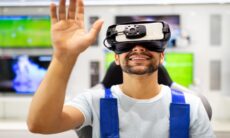
This is where extended reality (XR) training is beginning to redefine industrial learning. XR, powered by artificial intelligence and immersive simulation technologies, enables manufacturers to create interactive digital environments that replicate real-life scenarios. By using digital twins, virtual models of machinery, workflows, and facilities, companies can allow trainees to practise operations, troubleshoot issues, and develop technical skills in a controlled setting without the risks or costs associated with physical training.
The benefits of such systems extend far beyond efficiency. New engineers can gain hands-on experience operating heavy equipment without stepping foot on a factory floor. The safe, simulated environment fosters confidence and skill retention through repetition and feedback. Moreover, XR training eliminates geographical barriers. Remote learning modules allow dispersed teams to access identical, high-quality training sessions, ensuring global consistency in skill development.
One global technology company demonstrated this with remarkable success. By implementing XR-led programs, content delivery was accelerated fivefold while simultaneously reducing downtime across international facilities. This model proved how immersive technology could streamline onboarding and ensure employees worldwide are trained uniformly and efficiently.
AI integration further refines XR’s potential. Adaptive algorithms monitor learner performance and adjust training difficulty in real-time, offering personalised guidance that traditional instruction cannot match. This dynamic learning model enables employees to progress at their own pace, thereby reducing stress and enhancing long-term knowledge retention.
The manufacturing industry urgently needs such innovation. A recent analysis predicts that by 2033, the sector will require nearly 3.8 million new workers, with up to half of those roles at risk of remaining unfilled due to a lack of qualified candidates. These shortages threaten not just production capacity but also future growth. XR’s scalable training solutions allow companies to close this gap by accelerating the development of skilled labour and supporting continuous reskilling of existing employees as technologies evolve.
Beyond workforce expansion, XR is playing a crucial role in preserving institutional knowledge. As older experts retire, their expertise can be digitally recorded and transformed into training modules. These virtual archives capture everything from maintenance procedures to advanced troubleshooting, ensuring critical knowledge remains accessible for years to come. One aerospace manufacturer successfully used this approach to safeguard the expertise of senior engineers nearing retirement, enabling new technicians to learn directly from their virtualised experience.
This digital preservation marks a turning point in how manufacturers retain and transfer knowledge. Instead of relying on outdated mentoring models or apprenticeships, XR ensures expertise remains available on demand. The result is a more resilient and future-ready workforce capable of adapting to industry shifts with confidence.
As the manufacturing landscape continues to evolve, companies that adopt XR technology stand to gain a decisive advantage. Integrating AI-powered XR training and digital twins into workforce development strategies not only addresses immediate labour shortages but also fosters a culture of innovation and adaptability.
Ultimately, XR training represents more than just a modern learning tool; it is a bridge between generations, connecting seasoned expertise with emerging talent. By embracing immersive technology, manufacturers can future-proof their operations, ensuring that the next generation of industrial leaders enters the field equipped, inspired, and ready to shape the future of manufacturing.